

Blog
New vs. Used Shipping Containers: Understanding the Differences

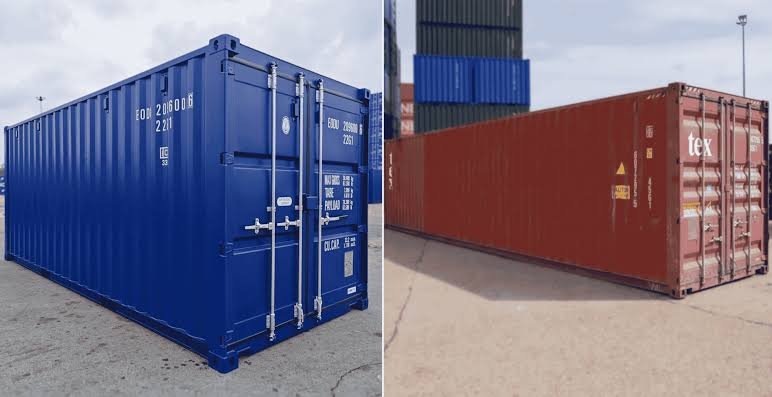
When shopping for a shipping container, one of the first decisions you will need to make is whether to purchase a new or used container.
Both options can provide practical storage solutions, but they differ in condition, appearance, expected maintenance, and price.
Understanding these differences can help you choose a container that meets your requirements.
What Is a New Shipping Container?
A new shipping container is one that has not previously been used for shipping or storage.
New containers generally have minimal prior wear and may be suitable for customers who prefer a container with a relatively fresh appearance.
Advantages of New Containers
New containers may offer:
- Minimal prior use.
- Less visible wear and tear.
- A cleaner interior and exterior.
- Greater consistency in appearance.
- Potential suitability for applications requiring a newer container.
However, new does not automatically mean defect-free or suitable for every application.
Customers should still confirm the container’s specifications and condition before purchasing.
What Is a Used Shipping Container?
A used shipping container has previously been used for transportation or storage.
Its condition depends on factors such as age, maintenance, previous cargo, and exposure to environmental conditions.
Used containers may show signs of wear, including scratches, dents, surface rust, and cosmetic imperfections.
Advantages of Used Containers
Used containers may offer:
- Lower purchase prices than comparable new containers.
- Practical storage capacity.
- Availability in different conditions.
- Suitability for many general storage applications.
The actual condition of a used container should be assessed before purchase.
Understanding Container Grades and Conditions
Shipping containers may be described using terms such as cargo-worthy, wind and watertight, or as-is.
These descriptions are not interchangeable.
Cargo-Worthy Containers
Cargo-worthy containers are generally intended to meet applicable requirements for cargo transportation, subject to the relevant inspection and certification.
Customers should verify any required certification and the container’s current status.
Wind and Watertight Containers
Wind and watertight containers are generally intended to protect contents from ordinary wind and rain when properly maintained and closed.
This description does not automatically establish that a container is structurally certified or suitable for cargo transportation.
As-Is Containers
As-is containers are sold in their existing condition.
They may have significant wear, damage, or other defects.
Customers should carefully review the disclosed condition before purchasing.
Key Differences Between New and Used Containers
| Feature | New Containers | Used Containers |
|---|---|---|
| Previous Use | No prior shipping or storage use | Previously used |
| Appearance | Generally newer | May show visible wear |
| Cosmetic Condition | Usually more uniform | Varies by container |
| Maintenance Needs | Depends on condition and environment | May require additional maintenance |
| Purchase Price | Generally higher | Often lower |
| Availability | Depends on inventory | Depends on inventory and condition |
What About Refurbished Containers?
Refurbished containers have undergone repairs or improvements.
The extent of refurbishment varies.
Before purchasing a refurbished container, ask:
- What repairs have been completed?
- Were structural components repaired?
- Was the floor replaced or repaired?
- Has corrosion been treated?
- Is the container covered by a warranty?
- Are inspection records available?
A refurbished container’s condition should be evaluated based on the actual work performed.
How to Choose the Right Container
When comparing new and used containers, consider the following factors.
1. Intended Use
Determine whether the container will be used for storage, transportation, construction, or another application.
2. Budget
Compare the total purchase cost, delivery charges, and any expected maintenance expenses.
3. Condition Requirements
Consider how much cosmetic wear or prior use you are willing to accept.
4. Maintenance
Evaluate whether the container may require repairs, corrosion treatment, or other maintenance.
5. Warranty
Review any applicable warranty coverage and exclusions.
Final Thoughts
New and used shipping containers can both serve practical purposes.
A new container may be suitable for customers who prefer minimal prior use, while a used container may be appropriate for customers seeking a container with a different price point or condition.
The best choice depends on your intended use, budget, and the specific condition of the container.
Explore Shipping Container Options with Coastline Containers LLC
Coastline Containers LLC helps customers explore available shipping container options based on their storage and business needs.
Contact us to learn more about container availability, specifications, condition, and delivery arrangements.
Phone: +1 205-284-1570
Email: info@coastlinecontainers.com
Address: 28723 Gardner Road, Elberta, AL 36530