

Blog
How to Prepare Your Property for Shipping Container Delivery

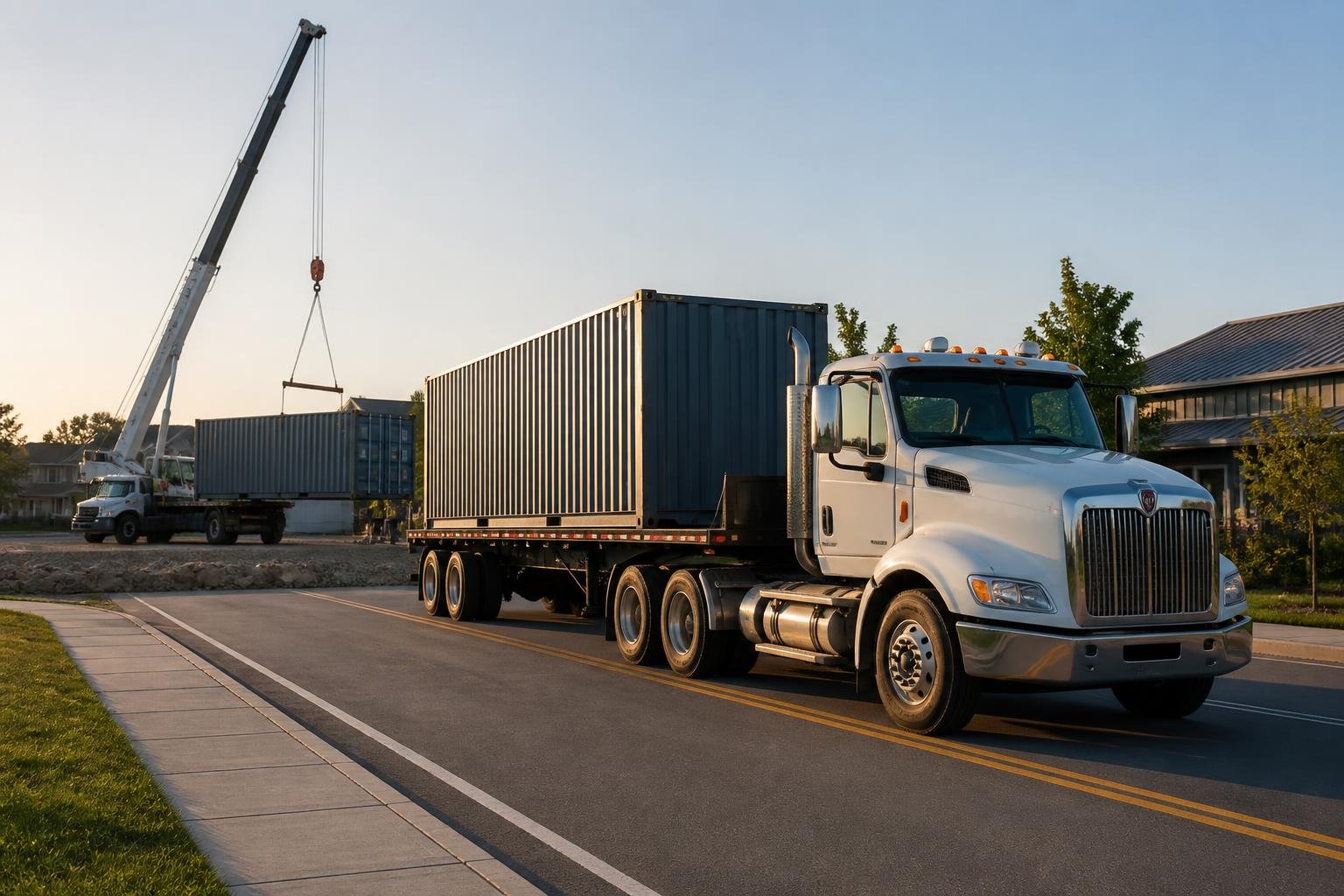
Purchasing a shipping container is only one part of the process. Preparing your property for delivery is equally important.
A properly prepared site helps ensure that your container can be delivered, positioned, and used safely.
Whether you are placing a container at a residential property, commercial facility, farm, or construction site, several factors should be considered before delivery day.
Here is a practical guide to preparing your property for shipping container delivery.
1. Choose a Suitable Location
Start by identifying a suitable location for your container.
Consider the purpose of the container and how frequently you will need to access its contents.
Choose a location that provides sufficient space for the container and allows the doors to open fully.
You should also consider drainage, ground stability, and access for maintenance.
2. Prepare a Stable Foundation
Shipping containers require a firm and reasonably level surface.
Depending on the site and intended use, suitable placement options may include:
- Compacted gravel.
- Concrete pads.
- Properly prepared ground.
- Engineered foundations where required.
The appropriate foundation depends on the container’s weight, loading conditions, soil characteristics, and local requirements.
For heavier loads or specialized installations, consult a qualified professional.
3. Check Ground Conditions
Before delivery, inspect the ground where the container will be placed.
Look for:
- Soft or unstable soil.
- Standing water.
- Uneven surfaces.
- Areas prone to flooding.
- Obstacles that could interfere with placement.
Proper drainage can help reduce water accumulation around the container.
4. Ensure Adequate Delivery Access
Shipping container delivery may require specialized vehicles and unloading equipment.
Make sure the delivery route is suitable for the expected vehicle.
Consider the following:
- Road width.
- Gate openings.
- Turning space.
- Overhead branches.
- Electrical wires.
- Bridges and weight restrictions.
- Slopes and uneven terrain.
If you are unsure whether your property can accommodate delivery, discuss the site conditions with your delivery provider before scheduling.
5. Measure the Placement Area
Measure the available space before ordering your container.
Account for the container’s exterior dimensions and any additional clearance required for delivery and unloading.
For a standard container, approximate exterior dimensions are:
20-Foot Container
- Length: 20 feet.
- Width: 8 feet.
- Height: 8 feet 6 inches.
40-Foot Container
- Length: 40 feet.
- Width: 8 feet.
- Height: 8 feet 6 inches.
High Cube containers are approximately 9 feet 6 inches tall.
Actual dimensions may vary by model.
6. Consider Permits and Local Regulations
Depending on your location and intended use, placing a shipping container on your property may require permits or regulatory approval.
Check with your local planning or building department regarding:
- Zoning restrictions.
- Building permits.
- Property setbacks.
- Flood-zone requirements.
- Restrictions on temporary or permanent structures.
If the container will be modified or used as a building, additional requirements may apply.
7. Prepare the Site for Unloading
Before delivery day, ensure that the placement area is clear of obstacles.
Remove vehicles, equipment, debris, and other objects that could interfere with unloading.
Make sure the delivery driver has clear instructions regarding the intended placement location.
If necessary, arrange for someone familiar with the property to be present during delivery.
8. Plan for Container Door Access
Consider how you will access the container after it has been positioned.
The doors should have sufficient clearance to open fully.
If you plan to use the container for frequent storage access, ensure that the surrounding area allows safe movement of people and equipment.
9. Inspect the Container Upon Delivery
Once your container arrives, inspect it before completing any delivery-related acceptance procedures.
Check:
- Exterior panels and roof.
- Doors and locking mechanisms.
- Floor condition.
- Visible signs of damage.
- General condition compared with the agreed specifications.
If you notice visible damage or discrepancies, document them with photographs and contact the seller promptly.
10. Delivery Preparation Checklist
Use this checklist before your scheduled delivery:
☐ Confirm the container’s dimensions.
☐ Measure the placement area.
☐ Prepare a firm and level foundation.
☐ Check ground stability and drainage.
☐ Ensure the delivery vehicle can access the property.
☐ Remove obstacles from the delivery route.
☐ Confirm adequate unloading clearance.
☐ Check applicable permits and regulations.
☐ Prepare the container’s final placement area.
☐ Ensure access to the container doors.
☐ Arrange for someone to be present during delivery if necessary.
Arrange Your Container Delivery with Coastline Containers LLC
Coastline Containers LLC helps customers explore shipping container options and coordinate delivery arrangements.
Our estimated delivery timeframe is 3–7 business days, with a standard shipping fee of $350 per order, subject to the applicable shipping terms and delivery arrangements.
Contact our team to discuss your container requirements and delivery location.
Coastline Containers LLC
28723 Gardner Road
Elberta, AL 36530
Phone: +1 205-284-1570
Email: info@coastlinecontainers.com