
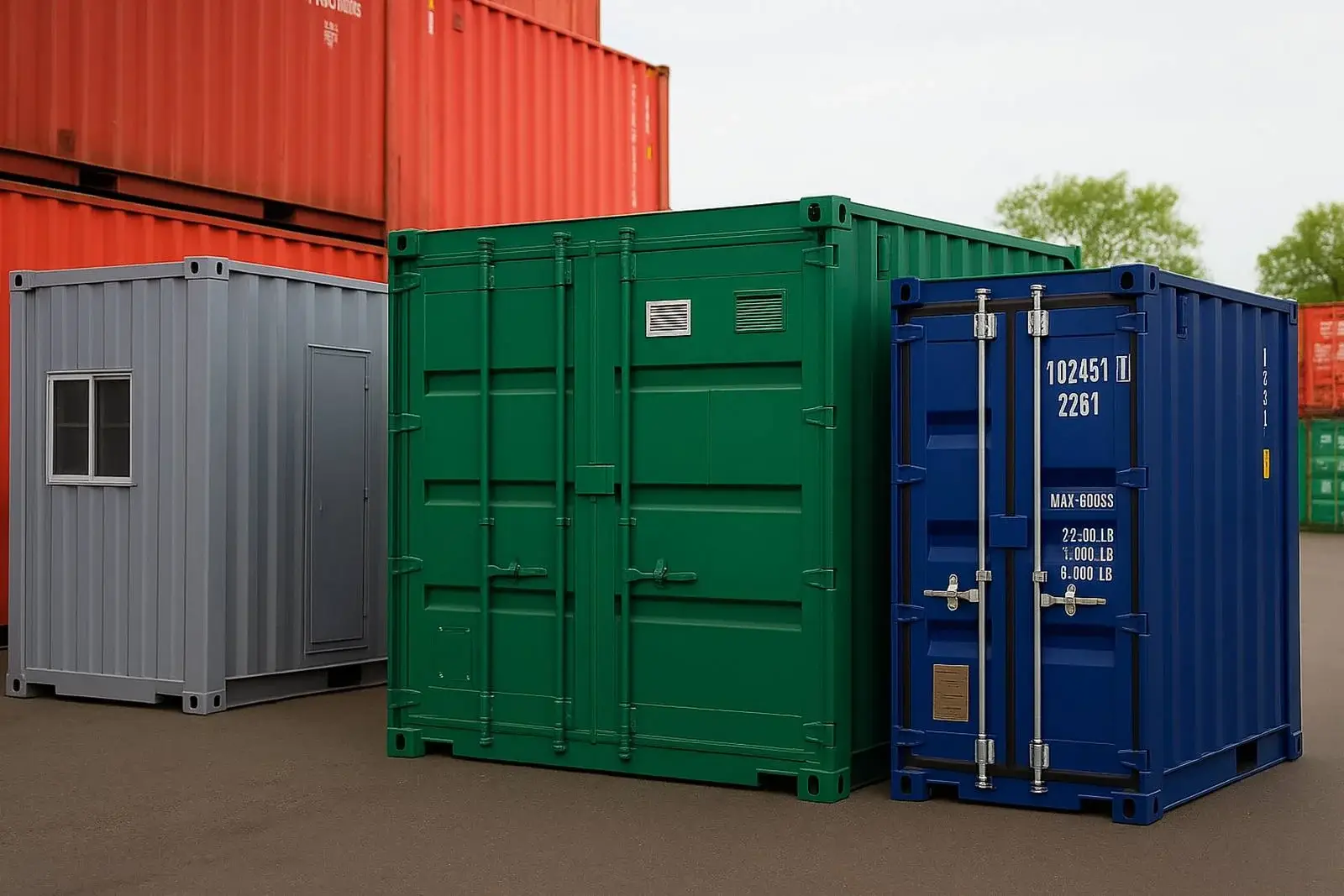
Buyer’s Guide
SHIPPING CONTAINER BUYER’S GUIDE
Coastline Containers LLC
Your Guide to Choosing the Right Shipping Container
1. Introduction
Welcome to the Coastline Containers LLC Buyer’s Guide.
Purchasing a shipping container is an important investment, whether you need additional storage space, a transportation solution, or a container for a commercial or personal project.
Our goal is to help you understand the different types of shipping containers available, evaluate their condition, and make an informed purchasing decision.
This guide covers everything from selecting the right container size to arranging delivery and preparing your site.
2. Choosing the Right Container Size
Selecting the appropriate container size is one of the most important steps in the buying process.
The right size depends on your storage requirements, available space, intended use, and delivery location.
20-Foot Shipping Container
A 20-foot container is a practical option for customers who need secure storage without requiring a large amount of space.
Common uses include:
Residential and commercial storage.
Construction site equipment storage.
Tools, machinery, and inventory storage.
Small business storage solutions.
Typical exterior dimensions:
Length: 20 feet
Width: 8 feet
Height: Approximately 8 feet 6 inches
40-Foot Shipping Container
A 40-foot container provides additional storage capacity for larger quantities of goods, equipment, and materials.
Common uses include:
Commercial inventory storage.
Industrial equipment storage.
Agricultural supplies.
Large-scale storage requirements.
Typical exterior dimensions:
Length: 40 feet
Width: 8 feet
Height: Approximately 8 feet 6 inches
40-Foot High Cube Container
A 40-foot High Cube container offers additional vertical space compared with a standard-height container.
Common uses include:
Bulky equipment storage.
Large-volume inventory storage.
Storage of taller goods and materials.
Projects requiring additional interior height.
Typical exterior dimensions:
Length: 40 feet
Width: 8 feet
Height: Approximately 9 feet 6 inches
Dimensions may vary depending on the container’s manufacturer and specifications. Confirm exact measurements before purchasing.
3. Understanding Container Conditions
Shipping containers are available in different conditions, and understanding these differences can help you choose a product that meets your needs.
New Containers
New containers have not previously been used for shipping or storage.
They are generally selected by customers who prefer a container with minimal prior use and limited wear.
Used Containers
Used containers have previously been used and may show signs of wear, including dents, scratches, surface rust, or other cosmetic imperfections.
Their condition can vary depending on age, maintenance, and previous use.
Used containers may be suitable for general storage and other applications, depending on their condition.
Refurbished Containers
Refurbished containers have undergone repairs or improvements intended to address certain defects or improve their appearance or functionality.
The extent of refurbishment varies, so customers should confirm which repairs or improvements have been completed.
Buying tip: Always confirm the container’s condition, inspection details, and any applicable warranty before making a purchase.
4. Determine Your Intended Use
Before purchasing a shipping container, consider how you plan to use it.
Storage
If you need a container for storage, consider the type and quantity of items you intend to store.
Check the container’s condition, door operation, flooring, and suitability for protecting your goods.
Commercial Use
Businesses may use containers for inventory, equipment, supplies, and other operational needs.
Consider the required storage capacity, accessibility, and delivery arrangements.
Construction and Job Sites
Containers can provide storage for tools, equipment, and materials at construction sites.
Ensure that the delivery location is accessible and that the container can be positioned safely.
Agricultural Use
Shipping containers may be used to store agricultural equipment, tools, and supplies.
Consider ventilation, moisture control, and the specific requirements of the items being stored.
Specialized Projects
If you plan to modify a container or use it for a specialized application, consult qualified professionals to assess structural requirements, safety, permits, and compliance with applicable regulations.
5. Inspecting a Shipping Container Before Purchase
Before purchasing a container, review its condition and specifications carefully.
Where possible, request photographs, inspection information, or an opportunity to inspect the container.
Important Areas to Check
Exterior Condition
Look for significant dents, deformation, or visible damage.
Check for excessive corrosion or deterioration.
Review the condition of the roof and exterior panels.
Doors and Locking Mechanisms
Confirm that the doors open and close properly.
Check hinges, handles, and locking mechanisms.
Look for visible damage around the door frame.
Interior Condition
Inspect the floor for damage, deterioration, or contamination.
Check the interior walls and ceiling for visible damage.
Look for signs of water intrusion or moisture.
Structural Condition
Review the condition of the corner posts and structural components.
Look for visible bending, cracking, or significant deformation.
Request professional inspection where structural integrity is important.
Important: A visual inspection does not guarantee that a container is watertight, structurally certified, or suitable for specialized applications.
6. Understanding Pricing and Shipping Costs
The total cost of purchasing a shipping container may include the container price, shipping charges, applicable taxes, and any agreed additional services.
Shipping Costs
Coastline Containers LLC offers a standard shipping fee of:
$350 per order
Additional charges may apply if special delivery arrangements are required and agreed upon in advance.
Estimated Delivery Time
Our estimated delivery timeframe is:
3–7 business days
Delivery times may vary depending on the delivery location, order processing, transportation conditions, and other circumstances.
Sales Tax
Applicable sales taxes may be charged depending on the delivery destination and the nature of the transaction.
Any applicable taxes and additional charges will be communicated before the order is finalized.
Buying tip: Request a complete quote that includes the container price, shipping fees, applicable taxes, and any additional charges before confirming your purchase.
7. Preparing Your Delivery Location
Proper site preparation helps ensure a smooth and successful delivery.
Before placing your order, consider the following requirements.
Ground Conditions
The delivery area should be firm, level, and capable of supporting the container’s weight.
Appropriate ground preparation may be necessary depending on the container size, loading conditions, and intended use.
Access and Clearance
Ensure that the delivery vehicle can safely access the site.
Consider:
Road width and turning space.
Overhead power lines, tree branches, and other obstructions.
Gate openings and access restrictions.
Available space for unloading and positioning the container.
Placement Area
Choose a location that provides adequate space for the container and allows the doors to open fully.
Consider future access, drainage, and the surrounding environment.
Permits and Regulations
Some locations may require permits, zoning approval, or compliance with local building regulations.
Customers are responsible for confirming the requirements applicable to their property and intended use.
8. Understanding the Ordering Process
Purchasing a shipping container from Coastline Containers LLC involves several straightforward steps.
Step 1: Choose Your Container
Determine the size, condition, and specifications that best meet your requirements.
Step 2: Request a Quote
Contact our team with your preferred container type, quantity, and delivery location.
We will provide available product information and pricing.
Step 3: Confirm Product Details
Review the container’s specifications, condition, price, shipping costs, and applicable terms before proceeding.
Step 4: Finalize Your Order
Once the details are confirmed, our team will guide you through the ordering and payment process.
Orders are subject to acceptance and product availability.
Step 5: Arrange Delivery
Confirm your delivery address and ensure that your site is ready to receive the container.
Step 6: Receive Your Container
Inspect the container upon delivery and promptly report any visible damage or concerns to our team.
9. Returns and Warranty Information
Before purchasing, review the applicable return and warranty terms.
Returns
Coastline Containers LLC accepts return requests within 30 calendar days of delivery, subject to the eligibility requirements outlined in our Return & Refund Policy.
Customers must obtain return authorization before sending a product back.
Warranty
Warranty coverage depends on the product, its condition, and the applicable written warranty terms.
Customers should confirm whether a container is covered by a warranty before completing their purchase.
Damaged or Defective Products
If your container arrives damaged or has a defect covered by an applicable warranty or legal protection, contact us promptly so we can review the issue.
10. Buyer’s Checklist
Before completing your purchase, use this checklist to make sure you have considered the most important details.
☐ Determine the intended use of the container.
☐ Choose the appropriate container size.
☐ Confirm whether you need a new, used, or refurbished container.
☐ Review the container’s condition and specifications.
☐ Confirm the total purchase price.
☐ Review the $350 shipping fee and estimated delivery timeframe.
☐ Confirm any applicable taxes or additional charges.
☐ Verify that your delivery location is accessible and properly prepared.
☐ Check whether permits or approvals are required.
☐ Review the Return & Refund Policy and Warranty Policy.
☐ Confirm the payment terms and delivery arrangements.
☐ Keep your order confirmation and purchase documentation.
11. Why Choose Coastline Containers LLC?
At Coastline Containers LLC, we aim to make purchasing shipping containers straightforward and transparent.
We are committed to:
Providing clear product information.
Communicating pricing and shipping details.
Helping customers understand available container options.
Offering customer support throughout the purchasing process.
Addressing customer questions and concerns professionally.
Our goal is to help customers identify a container that meets their needs and make an informed purchasing decision.
12. Contact Us
Need assistance choosing the right shipping container?
Contact Coastline Containers LLC for product information, pricing, availability, and delivery arrangements.
Coastline Containers LLC
Entity ID Number: 000860790
Business Address:
28723 Gardner Road
Elberta, AL 36530
United States
Phone: +1 205-284-1570
Email: info@coastlinecontainers.com
Business Hours:
Monday – Friday
8:00 AM – 5:00 PM